The Diversity of Regional Cuisine
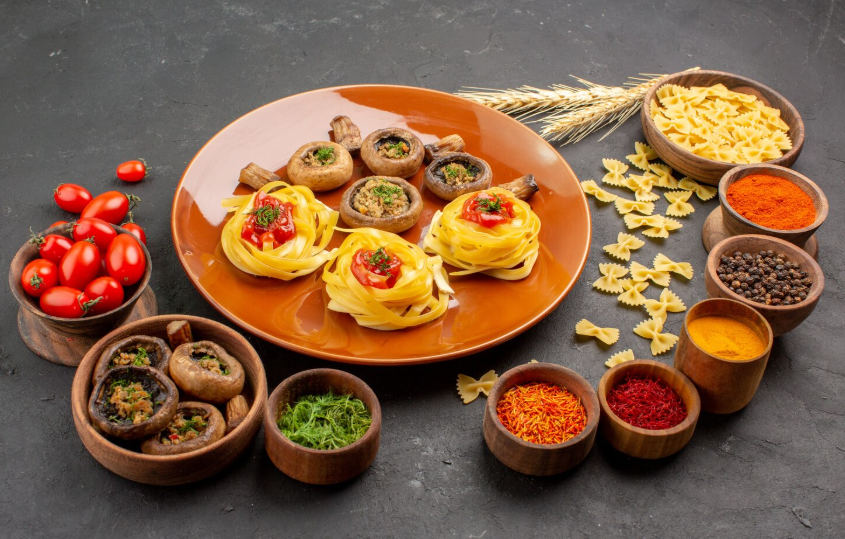
Regional cuisine offers a glimpse into the culture, history, and environment of a specific area. Each region develops its own distinct flavors, ingredients, and cooking techniques based on local resources and traditions. From coastal seafood dishes to mountain herb infused recipes, the diversity of regional cuisine reflects the lifestyle and heritage of its people. Exploring these dishes allows individuals to experience the richness of culture through food.
Ingredients That Define Regions
Local ingredients play a central role in shaping regional cuisine. Fresh vegetables, grains, meats, and spices that are native to an area create unique flavors. For example, Mediterranean regions often use olive oil, fresh herbs, and seafood, while northern regions may rely on root vegetables and preserved meats. The choice of ingredients connects the cuisine to the land and seasons, providing authenticity and nutritional value.
Traditional Cooking Techniques
Regional cuisine often relies on traditional cooking methods passed down through generations. Techniques such as slow roasting, fermenting, steaming, and smoking enhance flavors and preserve food. Mastering these methods ensures that dishes retain their distinctive taste and cultural significance. Cooking practices are an essential part of the identity and heritage of regional cuisine.
Popular Regional Dishes
Every region has signature dishes that are celebrated locally and beyond. Italian risotto, Japanese ramen, Mexican mole, and Indian biryani each showcase unique combinations of spices, ingredients, and preparation methods. These dishes reflect the creativity and expertise of local cooks and highlight the distinctive taste profiles of each region. Sampling regional specialties provides a deeper understanding of culinary heritage.
Health and Nutrition
Regional cuisine often emphasizes the use of fresh and seasonal ingredients, which contributes to balanced nutrition. Vegetables, grains, legumes, and lean proteins are commonly incorporated, providing essential vitamins and minerals. Traditional recipes often focus on moderation and natural flavors, supporting overall health and well being. Enjoying regional cuisine combines taste with nourishment in a meaningful way.
Cultural and Social Significance
Food is closely tied to cultural practices, festivals, and social gatherings. Regional cuisine plays a key role in rituals, celebrations, and family traditions. Special recipes are prepared for holidays and important events, symbolizing community and heritage. Sharing these dishes strengthens bonds and preserves cultural identity through generations, making food an important aspect of social life.
Culinary Travel and Exploration
Experiencing regional cuisine often involves traveling to its place of origin. Local markets, street food, and traditional restaurants offer authentic tastes that cannot be replicated elsewhere. Culinary travel allows individuals to learn about the history, preparation methods, and stories behind each dish. Exploring food firsthand enhances appreciation for the richness and diversity of regional cuisine.
Modern Adaptations
While preserving tradition, regional cuisine also adapts to contemporary tastes and global influences. Chefs experiment with new ingredients, techniques, and presentation styles while maintaining the essence of local dishes. Modern adaptations make regional cuisine accessible to a wider audience and keep the culinary heritage relevant in today’s world. Innovation blends with tradition to create exciting experiences.
Encouraging Home Cooking
Regional cuisine inspires home cooking by introducing unique flavors and techniques. Preparing traditional recipes at home allows individuals to connect with culture and learn culinary skills. Cooking at home promotes creativity, healthier meals, and a deeper understanding of food origins. Engaging with regional cuisine in everyday life fosters appreciation and preserves culinary traditions.
Celebrating Heritage Through Food
Regional cuisine is more than just nourishment; it is a celebration of heritage, taste, and identity. Exploring different regions through their food offers cultural insights, culinary education, and a sensory experience. Embracing the diversity of regional dishes allows people to connect with history, discover unique flavors, and honor the traditions that make each region’s cuisine special.