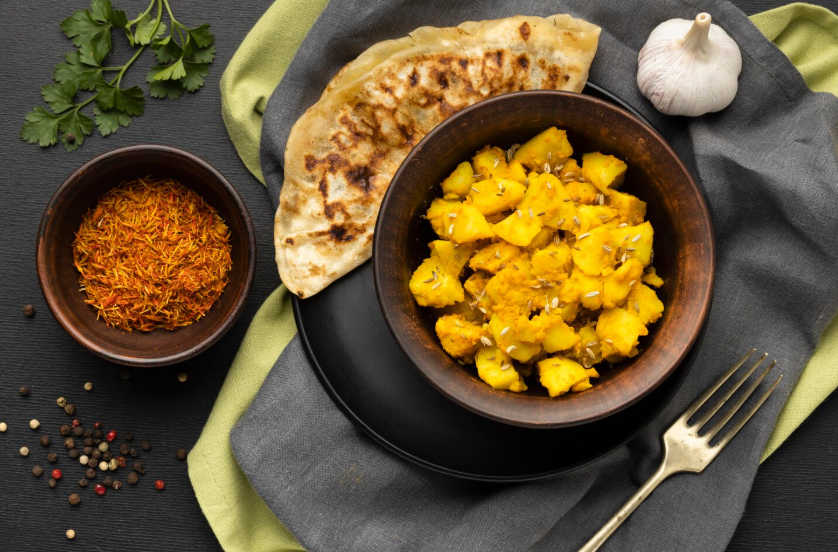
A Diverse Culinary Heritage
Indian food is celebrated for its rich diversity and regional variations. Each state and community has unique dishes, spices, and cooking methods that reflect local culture, history, and ingredients. From the tandoori specialties of Punjab to the coconut based dishes of Kerala, the variety of flavors demonstrates the depth of Indian culinary traditions. Exploring these differences allows one to appreciate the cultural richness embedded in every meal.
The Art of Spices
Spices are at the heart of Indian food, providing flavor, aroma, and health benefits. Cumin, turmeric, coriander, cardamom, and chili are commonly used to create complex and layered tastes. Each spice contributes unique properties, enhancing both the sensory and nutritional aspects of dishes. The careful balance of spices reflects skill and creativity in Indian cooking, making each meal a distinctive experience.
Traditional Cooking Techniques
Indian food involves a range of traditional cooking techniques such as slow simmering, roasting, steaming, and frying. Methods like tempering spices in hot oil or slow cooking lentils and vegetables bring out the depth of flavors. These techniques have been refined over generations to preserve taste and texture. Mastery of these methods ensures that the authenticity and richness of Indian food are maintained.
Popular Indian Dishes
Indian cuisine offers a wide variety of dishes that cater to different tastes and preferences. Staples like rice, roti, and lentils form the foundation of meals, while curries, kebabs, and street foods provide additional flavors. Desserts such as gulab jamun, rasgulla, and kheer showcase the sweet side of Indian food. Each dish reflects a combination of spices, ingredients, and cooking style that tells a story about its origin.
Health Benefits of Ingredients
Many ingredients in Indian food offer nutritional and medicinal benefits. Turmeric has anti inflammatory properties, ginger aids digestion, and lentils provide protein and fiber. The combination of fresh vegetables, whole grains, legumes, and spices creates balanced meals that nourish the body. Indian food emphasizes natural ingredients that support both taste and wellness.
Festive and Cultural Significance
Indian food plays a central role in celebrations, religious rituals, and social gatherings. Special dishes are prepared during festivals, weddings, and family events, reflecting the significance of food in cultural expression. Meals bring people together, fostering community and tradition. The cultural importance of Indian food enhances its value beyond mere sustenance.
Street Food and Everyday Meals
Indian food is not only found in homes and restaurants but also on vibrant streets across the country. Street foods like chaat, samosas, and dosas offer affordable and flavorful options for everyday consumption. These foods highlight the creativity and accessibility of Indian cuisine, making it an integral part of daily life. Experiencing street food provides insight into regional flavors and culinary innovation.
Modern Adaptations
While traditional recipes remain popular, Indian food has also evolved with modern cooking techniques and global influences. Fusion dishes, healthier alternatives, and innovative presentations bring a contemporary twist to classic flavors. Modern adaptations maintain the essence of Indian food while appealing to changing tastes and lifestyles, ensuring its relevance across generations.
Cooking as a Skill and Tradition
Preparing Indian food requires patience, skill, and attention to detail. Learning recipes, mastering spice combinations, and understanding cooking techniques are often passed down through generations. Cooking becomes a way to connect with heritage, celebrate culture, and share love through food. The skill and care invested in preparing meals highlight the artistry of Indian cuisine.
Celebrating Diversity and Flavor
Indian food is a celebration of diversity, flavor, and culture. Its rich combination of spices, ingredients, and techniques creates meals that are both satisfying and nourishing. Exploring Indian cuisine allows individuals to experience a wide spectrum of tastes and traditions, making every meal a journey of discovery. Embracing Indian food is a way to enjoy culture, history, and culinary mastery in every bite.