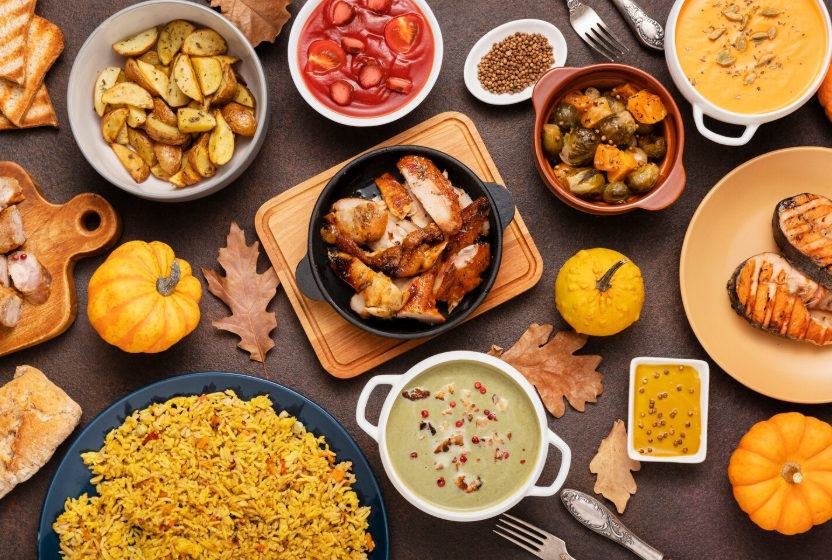
Experiencing Global Flavors
International cuisine allows individuals to explore diverse flavors from around the world. From the rich sauces of French cooking to the bold spices of Mexican dishes, each cuisine offers a unique taste experience. Sampling global foods expands the palate and introduces new ingredients, techniques, and combinations. Experiencing these flavors provides insight into different cultures and culinary traditions.
Understanding Cultural Significance
Every cuisine reflects the history, geography, and traditions of its region. Ingredients, preparation methods, and presentation styles tell stories about local customs and lifestyles. For example, Mediterranean cuisine emphasizes olive oil and fresh vegetables, reflecting the region’s agriculture and climate. Understanding the cultural significance of dishes deepens appreciation and makes the culinary experience more meaningful.
Popular International Dishes
International cuisine includes a wide variety of popular dishes that have gained recognition worldwide. Italian pasta, Japanese sushi, Indian curries, and Thai stir fries showcase the diversity of flavors and techniques. Each dish combines specific ingredients and cooking methods that are unique to its origin. Exploring these dishes allows individuals to enjoy authentic tastes and understand global culinary practices.
Benefits of Exploring International Cuisine
Trying international cuisine enhances creativity and encourages experimentation in the kitchen. Learning new techniques and flavor combinations can inspire home cooks to develop innovative recipes. Exposure to different cuisines also encourages healthier choices, as many dishes incorporate fresh vegetables, lean proteins, and balanced ingredients. The variety of international dishes promotes both culinary skill and nutritional awareness.
Ingredients and Techniques
International cuisine introduces unique ingredients and cooking methods that may not be common locally. Spices like saffron, lemongrass, and sumac add distinct flavors, while techniques such as steaming, fermenting, and slow roasting create texture and depth. Familiarity with these ingredients and methods broadens cooking knowledge and allows individuals to recreate authentic dishes at home.
Dining Experiences and Presentation
International cuisine often emphasizes presentation and dining experience. In Japanese culture, sushi is carefully arranged for visual appeal, while French cuisine highlights plating techniques and garnishes. Experiencing food aesthetically enhances enjoyment and encourages mindfulness while eating. Presentation plays an important role in appreciating the artistry of global cuisine.
Culinary Travel and Exploration
Traveling provides an opportunity to taste international cuisine in its authentic setting. Street food, local markets, and traditional restaurants allow travelers to experience flavors and techniques firsthand. Culinary exploration through travel deepens understanding of local culture and connects people with the heritage behind each dish. Tasting food in its place of origin offers an unmatched experience.
Fusion and Modern Adaptations
International cuisine also inspires fusion dishes that combine elements from multiple cultures. Chefs often experiment by blending flavors, ingredients, and techniques to create innovative meals. Fusion cuisine highlights creativity and adaptability, showing how global influences can transform traditional dishes. Modern adaptations make international flavors accessible to a wider audience.
Encouraging Social Connection
Sharing international cuisine fosters social interaction and connection. Preparing and enjoying dishes with family, friends, or community members creates a sense of togetherness. Meals become an opportunity to exchange cultural knowledge and experiences. Social engagement through food strengthens relationships and encourages appreciation of diverse culinary traditions.
Celebrating Diversity Through Food
International cuisine celebrates diversity, flavor, and culture. Exploring dishes from around the world provides both enjoyment and education. Understanding the stories, ingredients, and techniques behind each dish enriches the dining experience. Embracing global flavors connects people, promotes creativity, and allows everyone to experience the richness of culinary heritage.